
In today’s digital age, your website is more than just a digital business card; it’s your virtual storefront, marketing engine, and lead generation tool. But how do you know when it’s time to revamp your online presence? A successful website redesign strategy can dramatically enhance user experience, improve search engine visibility, and drive measurable results. If your site is underperforming, outdated, or difficult to manage, it might be time for a change.
Why a Website Redesign Strategy?
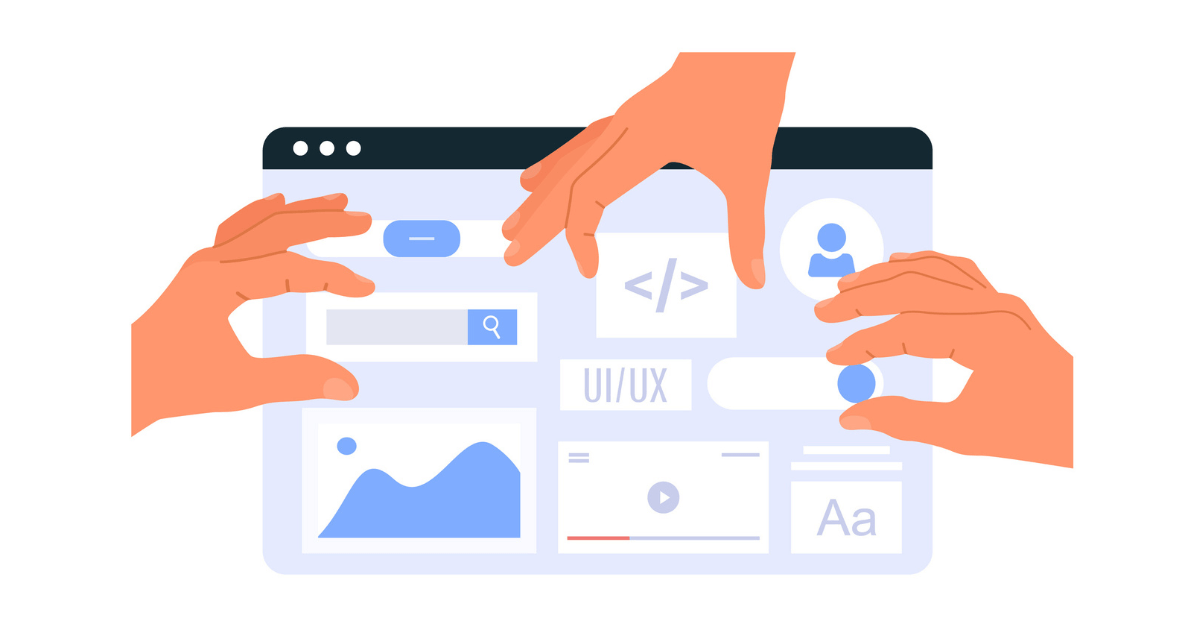
A website redesign strategy involves a complete overhaul of its code, structure, and visual elements to align with the business’s strategic goals and enhance the user experience. This may include restructuring site architecture, switching content management systems (CMS), improving SEO, or adding critical features like e-commerce capabilities or secure payment portals.
Redesign vs. Refresh: Know the Difference
- Website redesign: A full overhaul of your site’s design, functionality, and structure to address usability issues and meet strategic goals.
- Website refresh: A lighter update involving visual or content tweaks to improve overall functionality without rebuilding the entire site.
12 Signs You Need a Website Redesign Strategy
1. Complex Navigation
Poor navigation can frustrate users and cause them to leave without engaging further. Simplified, intuitive menus that are user-friendly will improve interest and retention.
2. Accessibility Barriers
Your site must be usable and accessible by everyone, including people living with disabilities. If it lacks alt text, keyboard navigation, or screen reader compatibility, it’s time to redesign. Ensuring accessibility should be a priority in any website redesign to comply with legal requirements and make your content available to everyone.
3. Security Vulnerabilities
Outdated security can put your business and users at risk of security breaches. A redesign can introduce enhanced, modern security protocols and reduce vulnerabilities.

4. High Bounce Rates & Low Conversions
Are users leaving without interacting? A high bounce rate indicates visitors leave after one page, missing your full offerings. A redesign focused on improving UX and CTAs can reverse this and support business growth.
5. Outdated or Irrelevant Content
Content is king and must be timely, relevant, and optimized for SEO. If yours is stale or inaccurate, it’s hurting your performance and time for a refresh or full website redesign. Up-to-date and valuable content is essential for user engagement and SEO.
6. Lack of Mobile Optimization
With most web traffic now coming from mobile, your site must be responsive and mobile-friendly across all devices. Ensure your redesign caters to various screen sizes and mobile devices for a seamless user experience.
7. Outdated Visual Design
First impressions are critical in the digital space. A modern, professional aesthetic builds trust and lures users in to continue clicking and exploring your website. If your design feels dated, it may reflect poorly on your brand.
8. Slow Loading Speeds
Website speed is critical to user satisfaction. A redesign can dramatically improve load times. Slow websites also frustrate users and suffer penalties in search engine rankings.

9. Difficult Content Management
If updating your website’s content is cumbersome for your team, it reflects poorly on your site’s efficiency. Now’s the time for a more user-friendly CMS that empowers efficiency and agility.
10. Poor SEO Performance
Redesigning your site with built-in SEO best practices (clean code, optimized content, meta tags, internal links) can improve your search rankings.
11. Non-Compliance with Legal Standards
Ensure your website complies with relevant legal regulations, such as GDPR for data protection or ADA for accessibility (see above). Non-compliance can lead to legal issues and fines, which any business would want to avoid.
12. Broken Links and Technical Errors
404 errors and broken links damage credibility and UX. A website redesign addresses these problems, improves overall site health, and provides a smoother user experience.
A website is a powerful tool for businesses and companies to attract and convert new clients or customers. Identifying and addressing issues such as slow loading speed, difficult navigation, outdated design, mobile responsiveness, low conversion rates, and inefficient content management is essential. A well-planned website redesign and strategy can turn your website into a valuable business asset.
Partner with Experts in Website Redesign
At AIS Network, we specialize in award-winning website redesign strategies that deliver results. Our expert team of designers, developers, and digital strategists work closely with you to transform your website into a high-performing asset.
Let us help you:
- Improve usability and design
- Integrate mobile and SEO best practices
- Strengthen security and accessibility
- Align your site with your brand goals
Ready for a digital transformation? Contact us today to elevate your web presence and ensure your site remains a powerful tool in today’s competitive digital environment.